
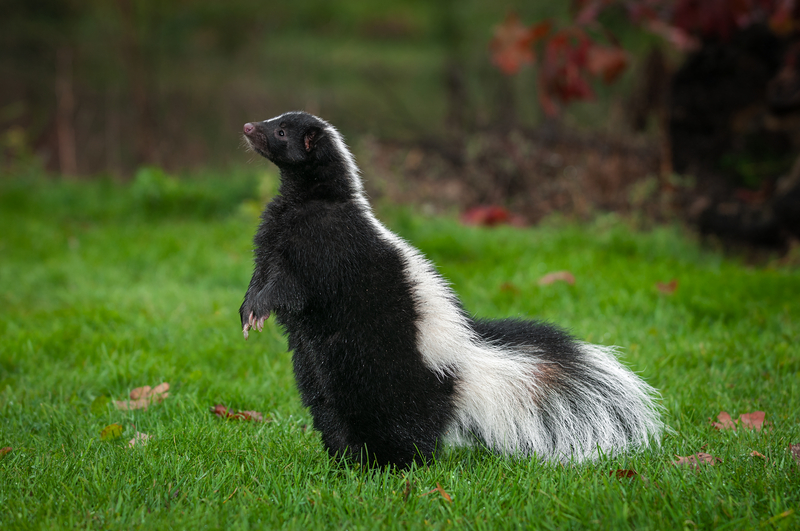
Interior Health (IH) is advising Kootenay Lake residents to avoid skunks and take precautions after rabies was confirmed in a skunk in the region.
On Sept. 17, IH and the BC Centre for Disease Control (BCCDC) confirmed rabies in a skunk from the Kootenay Lake region. The animal is believed to have been infectious from Aug. 15 to Sept. 4.
Although encounters with skunks are extremely rare, IH has assessed and treated a small number of people who may have been exposed in the Kootenay Lake region.
Anyone who had contact with a skunk in the area should come forward for assessment.
Anyone bitten or scratched by a skunk in the Kootenay Lake region should immediately contact their local public health office, see a primary care provider or go to an emergency department, especially if the contact occurred after Aug. 15.
Any pet or domestic animal bitten or scratched by a skunk should be examined by a veterinarian.
Rabies is a serious viral infection that affects the brain and nervous system. The virus is present in an infected animal’s saliva and nervous-system tissue and usually spreads through a bite or, less often, a scratch.
In B.C., rabies is not transmitted through contact with an infected skunk’s spray, urine or feces. Bats are the province’s only known rabies reservoir, meaning they can carry and transmit the virus without showing signs of illness. Occasional spillover infections have occurred in other animal species.
Human rabies infections are extremely rare in B.C. and Canada. They are usually fatal but can be prevented when vaccines are given promptly after exposure.
Protect yourself and others from rabies:
- Do not approach, touch or feed wild or unfamiliar animals, especially those that appear sick or injured. Do not handle dead animals.
- Do not pick up or handle bats; a bite or scratch from an infected bat can expose you to rabies.
- If a bat, skunk or other wild animal bites or scratches you, wash the wound with soap and warm water for at least 15 minutes and seek medical care immediately.
Protect your pets from rabies:
- Keep all pets’ rabies vaccinations up to date.
- Supervise pets outdoors and keep them away from wild animals, such as by keeping dogs on a leash.
- Store pet food indoors or in a secure area so it does not attract wildlife.
- If a wild animal bites or scratches your pet, contact your veterinarian immediately.
If you see a skunk or other wild animal behaving abnormally, contact the BC RAPP line at 1-877-952-RAPP (7277).
For information on rabies symptoms in people and animals visit the BC Centre for Disease Control.
For other skunk encounters—such as contact without a bite or scratch, or exposures elsewhere in the Interior region visit Interior Health website to determine whether medical assessment is needed, or call HealthLink BC at 811 for advice from a health professional.

Comments