
Darker winter drives bring visibility and fatigue risks, Road Safety at Work warns
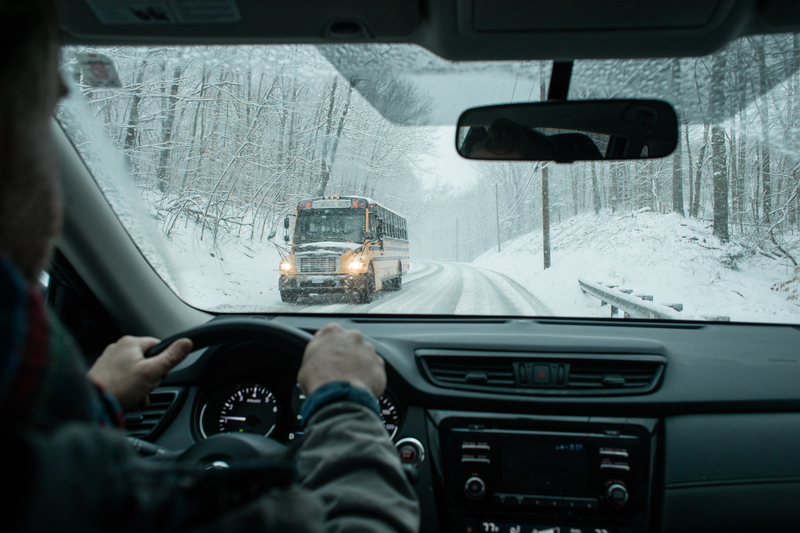
(Image Credit: ID 113825958 © Alexandra1977 | Dreamstime.com)
Road Safety at Work is urging employers and drivers in the East Kootenay to prepare for reduced visibility and fatigue as shorter days put more work trips in darkness or low light.
The organization says hundreds of thousands of British Columbians drive on the job. With the East Kootenay remaining on permanent mountain daylight time and clocks not turning back, sunrise will be later this winter, putting more work trips, morning commutes and school drop-offs in darkness.
Rain, fog and glare from oncoming headlights can make pedestrians, cyclists and lane markings harder to see.
“Reduced daylight hours and worsening weather conditions at this time of year increase the risks for workers, making it harder to see and be seen,” said Todd McDonald, Head of Prevention Services, WorkSafeBC.
“Employers need to assess how changing conditions affect workers who drive for work and put appropriate controls in place to reduce those risks.”
Road Safety at Work says prolonged morning darkness can affect natural sleep cycles and contribute to driver fatigue, adding risks when visibility is poor.
“The roads you drive may be familiar, but the risks are changing,” said Trace Acres, Program Director, Road Safety at Work.
“In darkness or low light, it’s harder to spot hazards on the road and react.”
“Fatigue can reduce concentration, slow reaction time, and affect decision-making.”
“Those are exactly the abilities drivers need when they can’t see as far ahead.”
The organization lists frequent yawning, difficulty concentrating, drifting within a lane, sore eyes and difficulty remembering the last few kilometres as warning signs of fatigue.
Employer responsibilities
Work-related driving includes full-time, part-time and occasional trips, from deliveries and long-haul driving to client visits, meetings, supply runs and travel between worksites.
Road Safety at Work says employers are responsible for assessing driving risks and taking reasonable steps to reduce them, even when employees use personal vehicles for work.
It recommends employers and supervisors:
- Identify work trips that now take place in darkness or low light, particularly on rural roads and in areas with poor lighting.
- Adjust schedules that call for driving early in the morning, at night, or for long periods, if possible.
- Allow employees enough time in demanding driving conditions to complete trips safely without feeling pressured.
- Review safe driving procedures for driving in poor conditions and make sure workers know what to do if they’re fatigued or believe conditions are unsafe.
What drivers can do
For people driving for work or personal reasons, Road Safety at Work recommends:
- Slowing down when visibility is reduced and leaving more distance between your vehicle and the one ahead.
- Watching for pedestrians, cyclists, wildlife, and roadside workers who can be harder to see in the dark.
- Making sure headlights, taillights, windshield wipers, and defrosters are working properly and that windows, mirrors, and lights are clean.
- Being rested and alert before getting behind the wheel. Take breaks on longer trips.
For more information, visit RoadSafetyAtWork.ca.
 1°C